The complexity of collaboration in drug discovery
Everyone knows smooth collaboration can speed up successful drug discovery projects. But how can we collaborate easily in drug discovery…
Everyone knows smooth collaboration can speed up successful drug discovery projects. But how can we collaborate easily in drug discovery…
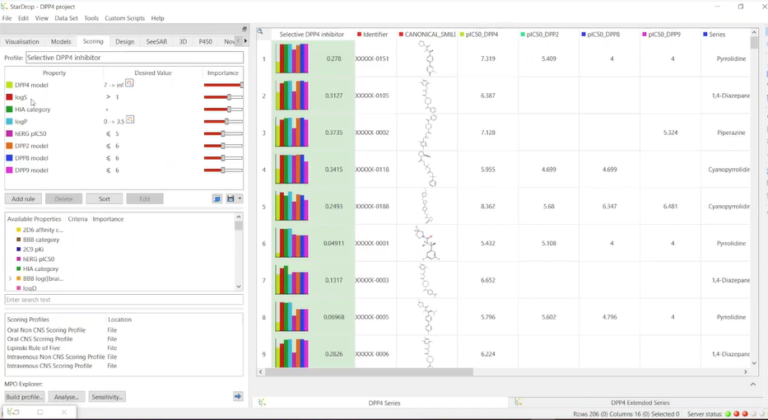
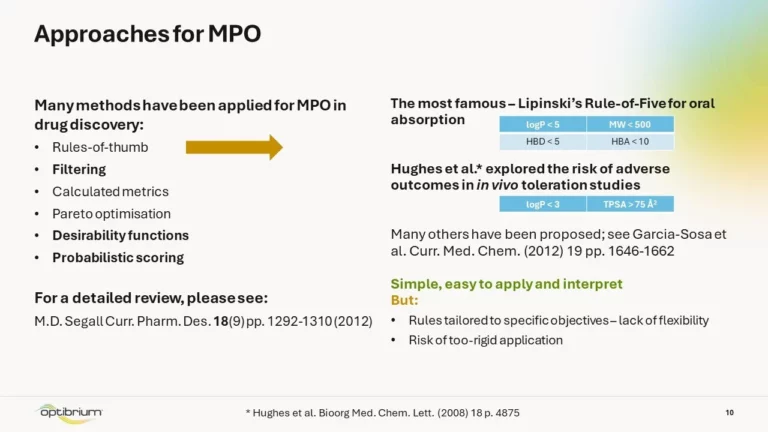
Successful drugs require a delicate balance of many properties, such as potency, ADME and toxicity, to meet a project’s therapeutic objective. To make decisions about compound progression and assay selection, the available data must be assessed against project-specific criteria. However, the data on which we base our decisions often come from different sources and can vary in quality, so how can we use this information to make confident decisions? In addition, how can we be sure that the criteria we’re using are the most appropriate?
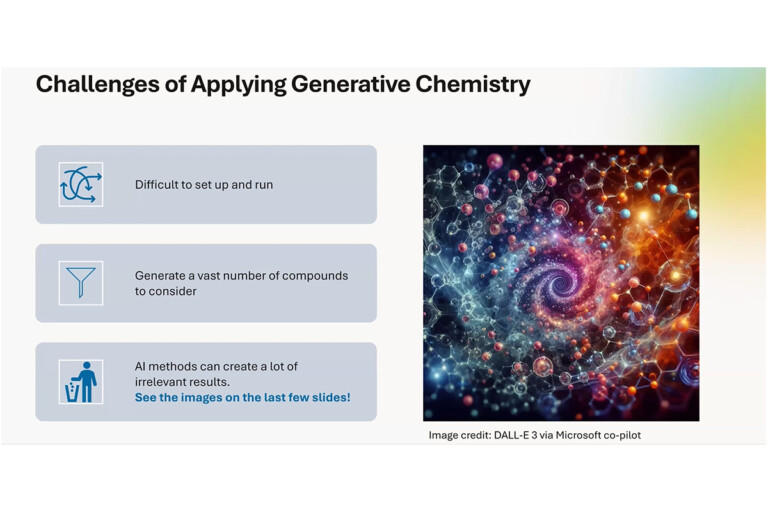
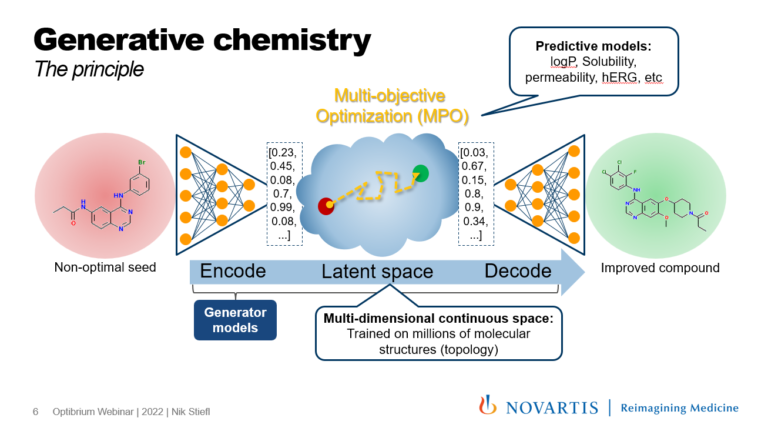
Generative molecular design provides new exciting avenues of chemical space exploration. But how can we use these methods effectively to assess many optimisation strategies and find the compounds destined for success in our projects?
Join Dr Matt Segall and Dr Michael Parker as they explore state-of-the-art generative chemistry, and discuss the importance of an augmented intelligence approach for successful discovery.
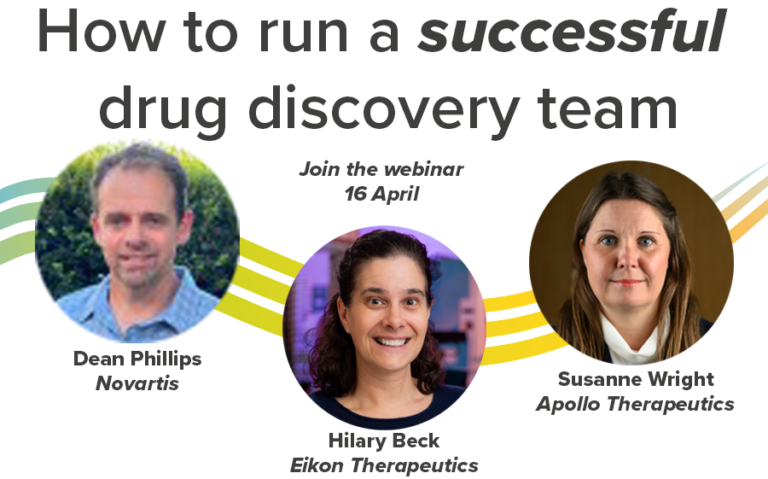
Watch industry leaders from Novartis, Apollo Therapeutics and Eikon Therapeutics as they discuss their highs and lows, experience and advice,…
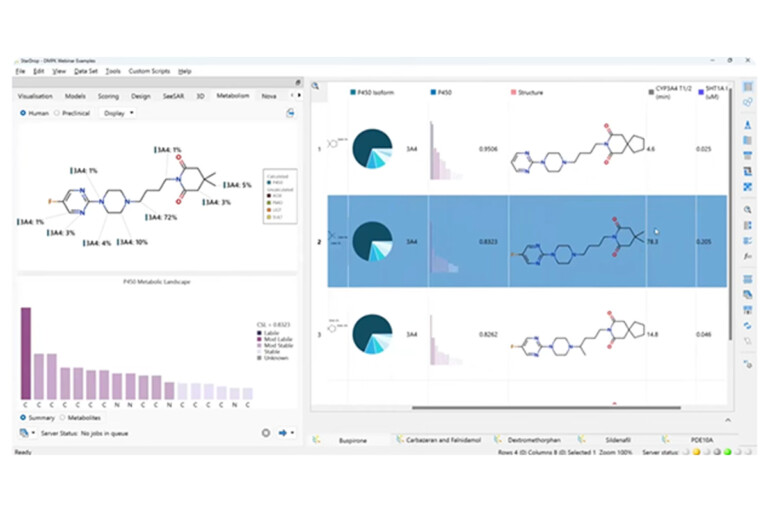
Interpreting metabolite-ID experiments; determining the right species for animal studies; providing optimisation suggestions for your medicinal chemistry colleagues to overcome…
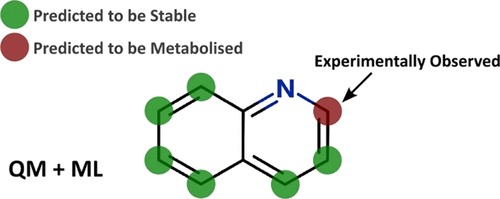
Predicting metabolism at an early stage is important in maximising the chance of a drug’s success. However, accurate, useful models…
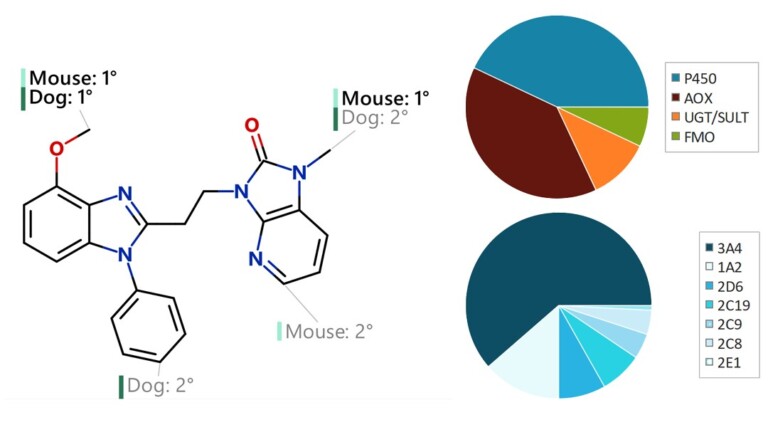
This peer-reviewed paper in Xenobiotica describes a new method to determine the most likely experimentally-observed routes of metabolism and metabolites based on our WhichP450™, regioselectivity and new WhichEnzyme™ model.
We explore the exciting new features in the latest release of StarDrop, built to elevate your drug discovery projects. These include the all-new Metabolism module; high performance virtual screening; additional workflow improvements

Watch our panel of experts as they discuss tactics to achieve success in your medicinal chemistry projects, experiences they’ve had and advice they would give. Learn about the key challenges today’s drug hunter needs to overcome, the skills it takes to gain success across pharma and biotech, and what the future may hold for this industry.
This paper describes a model to predict whether a particular site on a molecule will be metabolised by cytosolic sulfotransferase enzymes (SULTs).
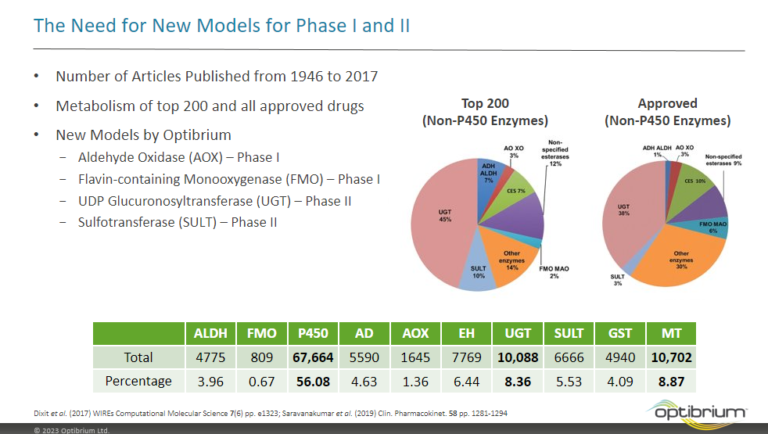
Watch Optibrium CEO Matt Segall and Principal Scientist Mario Öeren as they explore groundbreaking new quantum mechanics and machine learning models which go beyond P450s and provide insights on a broad range of enzymes involved in drug metabolism.
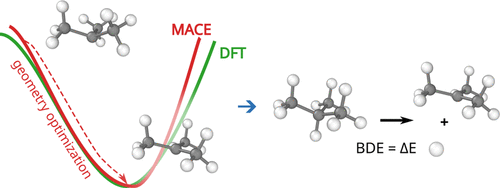
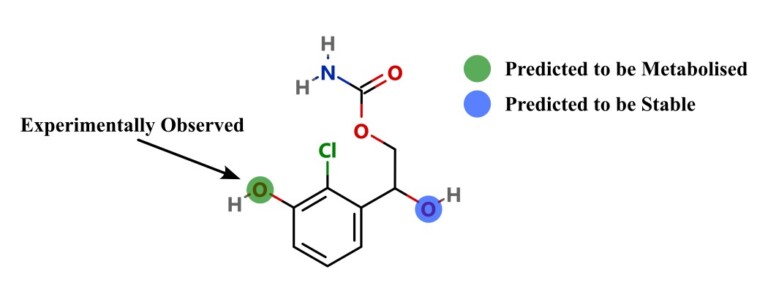
Introduction Predicting sites of metabolism (SoM) enable chemists to be more efficient in optimising the structure of new chemical entities…
Have advances in AI and deep learning reached a threshold whereby generative chemistry methods are redefining drug design? This webinar…
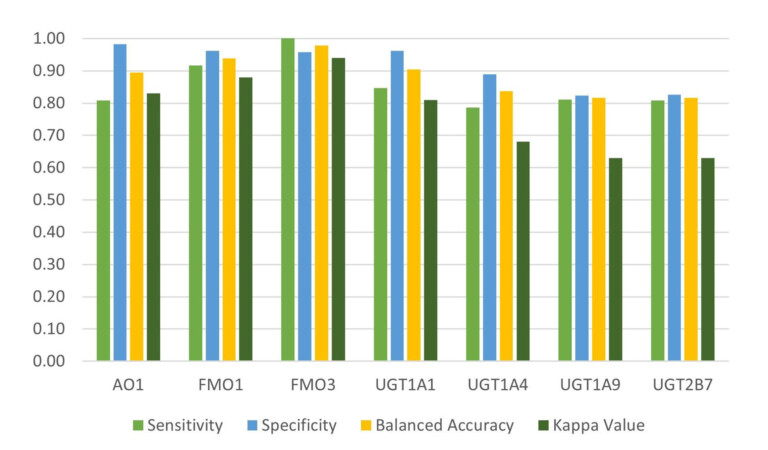
This paper describes the prediction of the regioselectivity of metabolism by AOs, FMOs and UGTs for humans and CYPs for three preclinical species.
Virtual screening presents a host of challenges, especially where little or no structural information on targets is available. So how can we best set our screening strategies up for success?
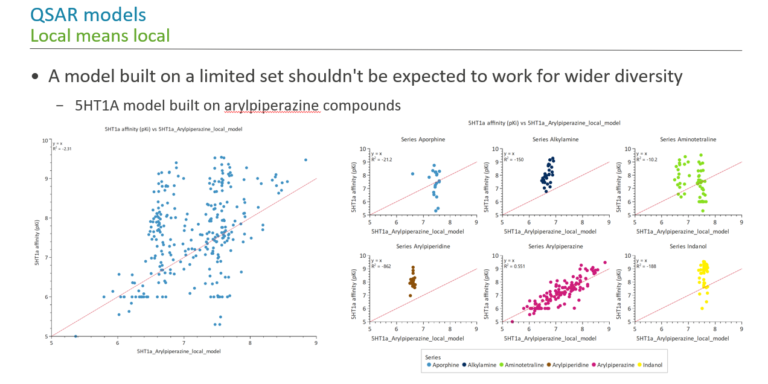
In this webinar, we examine the effective use of QSAR modelling in drug discovery and discuss a variety of pain points for medicinal chemists in knowing when a model can be trusted and how to avoid common pitfalls.
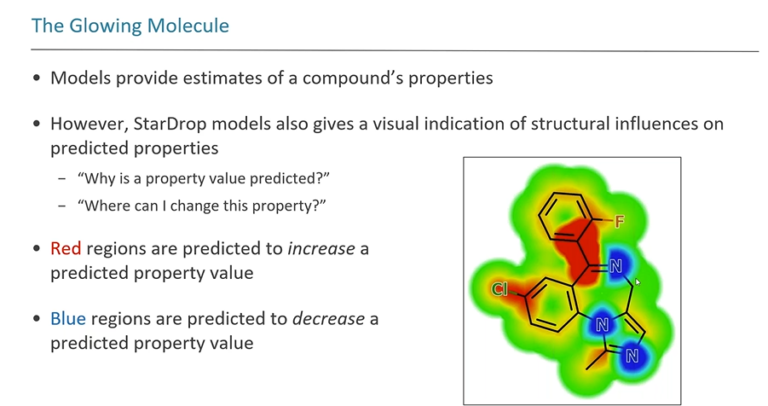
In this webinar, we demonstrate how Inspyra™ creates a seamless blend of your expertise and unique AI that fits naturally within your workflow. It helps you to rigorously explore many optimisation strategies and quickly identify high-quality compounds for your projects.

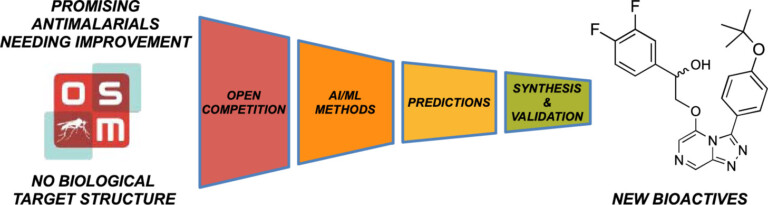
In this study, we identified a new antimalarial with an unusual structure – the only compound in the competition to be proven active, opening up new chemistry for exploration.
Why have generative chemistry methods been unable to redefine modern drug discovery and compound idea generation?’ In this session we shed light on a typical shortcoming of generative methods related to prioritising promising over unsuitable directions for exploration.