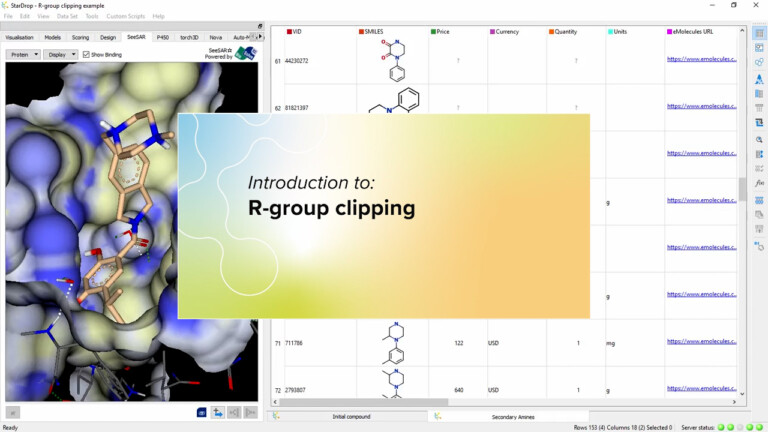
R-group analysis
This example looks at R-group analysis of chemical series to identify key functionalities which influence potency.
In this example, we will use the Sensitivity Analysis tool in StarDrop’s MPO Explorer module to check if the ranking of compounds in a data set is sensitive to any of the criteria or importance values in a scoring profile.
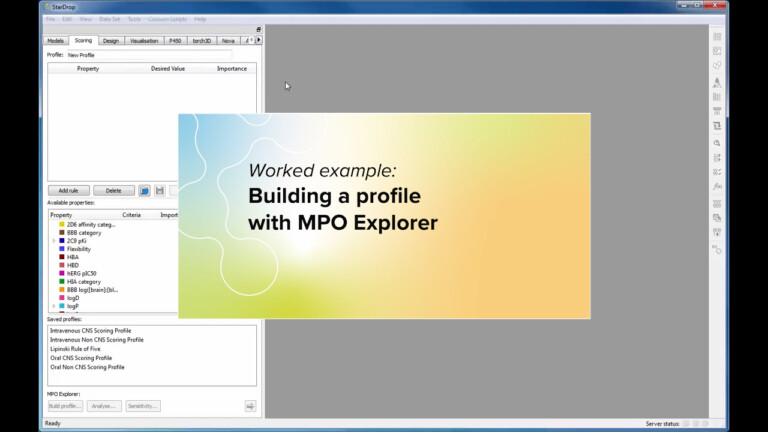
In this example we will use the Profile Builder in StarDrop’s MPO Explorer module to derive a multi-parameter scoring profile, based on a CNS data set.
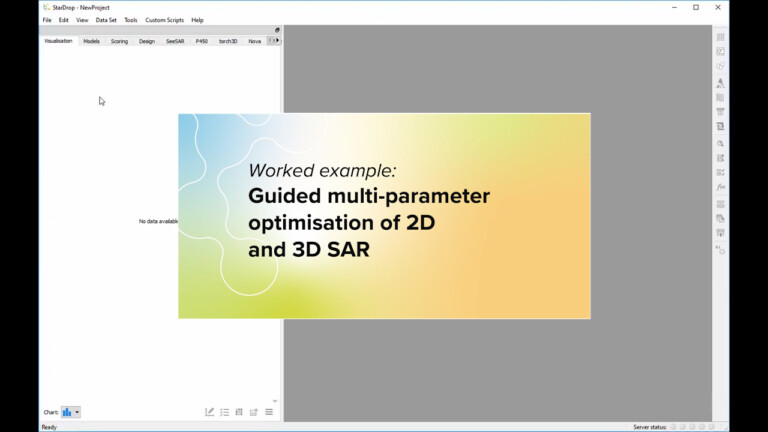
This SeeSAR and ADME QSAR worked example uses a combination of 2D and 3D methods to understand and optimise a virtual library of Heat Shock Protein 90 (HSP90) inhibitors.
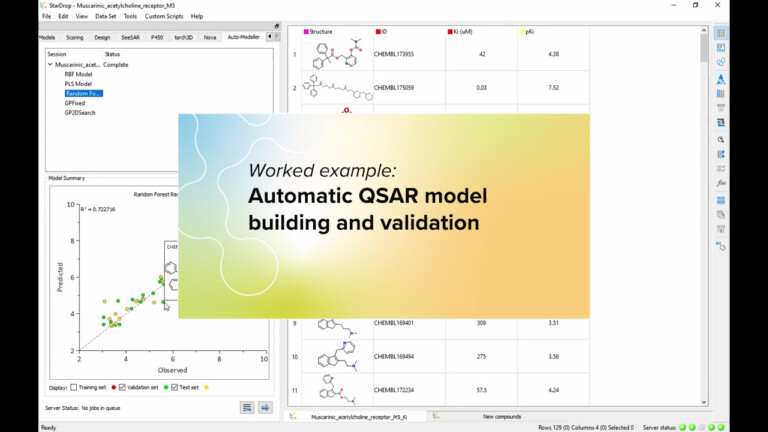
This example explores the application of the Auto-Modeller module to build a QSAR model of potency against the Muscurinic Acetylcholine M5 receptor, based on public domain Ki data. The resulting model is applied to novel compound to predict their properties and visualise the SAR.

Join us for a webinar featuring experts from IDEAYA Biosciences and CDD Vault as they explore how synthetic lethality is…

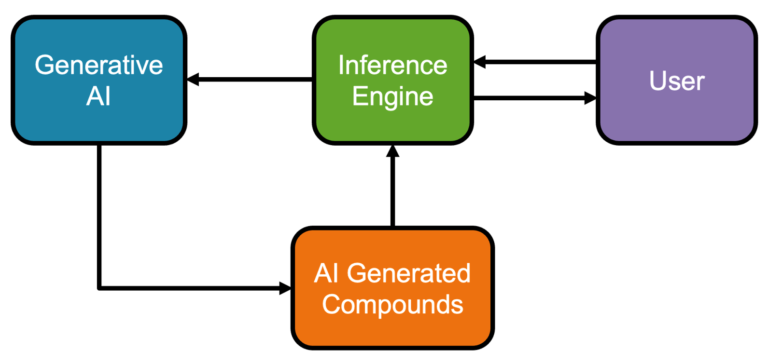
Pairing AI with human expertise We present a novel AI compound optimisation system, designed to include human oversight as a…


To guide drug design, it’s important to understand the likely ADME and physicochemical properties of your compounds at an early…

Develop advanced MPO strategies and target the right compounds, faster.
We’re diving back into our favourite subject: multi-parameter optimisation.

Everyone knows smooth collaboration can speed up successful drug discovery projects. But how can we collaborate easily in drug discovery…

Successful drugs require a delicate balance of many properties, such as potency, ADME and toxicity, to meet a project’s therapeutic objective. To make decisions about compound progression and assay selection, the available data must be assessed against project-specific criteria. However, the data on which we base our decisions often come from different sources and can vary in quality, so how can we use this information to make confident decisions? In addition, how can we be sure that the criteria we’re using are the most appropriate?

Generative molecular design provides new exciting avenues of chemical space exploration. But how can we use these methods effectively to assess many optimisation strategies and find the compounds destined for success in our projects?
Join Dr Matt Segall and Dr Michael Parker as they explore state-of-the-art generative chemistry, and discuss the importance of an augmented intelligence approach for successful discovery.

Watch industry leaders from Novartis, Apollo Therapeutics and Eikon Therapeutics as they discuss their highs and lows, experience and advice,…

Interpreting metabolite-ID experiments; determining the right species for animal studies; providing optimisation suggestions for your medicinal chemistry colleagues to overcome…

Predicting metabolism at an early stage is important in maximising the chance of a drug’s success. However, accurate, useful models…

This peer-reviewed paper in Xenobiotica describes a new method to determine the most likely experimentally-observed routes of metabolism and metabolites based on our WhichP450™, regioselectivity and new WhichEnzyme™ model.