3D ligand-based drug design: webinar
In this webinar, we demonstrate intuitive workflows for 3D ligand-based drug design
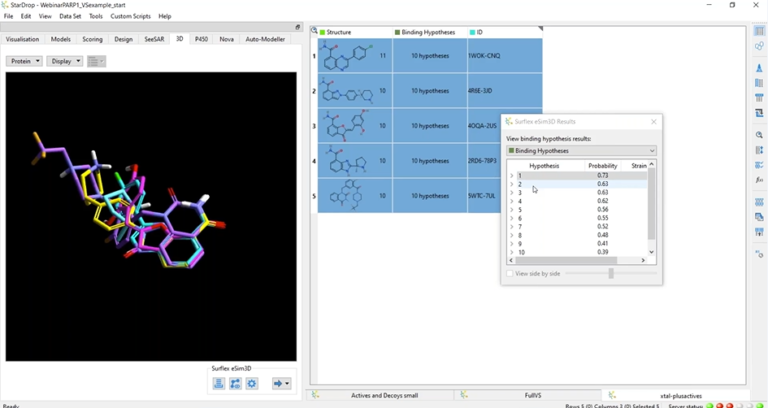
In this webinar, we demonstrate intuitive workflows for 3D ligand-based drug design
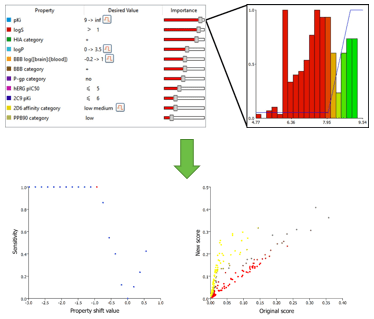
In this webinar, we look at how we can use data visualisation in an impactful and effective way to communicate many dimensions of information. We illustrate some of the ways that we can achieve this and discuss visual methods to guide our decisions in drug discovery.
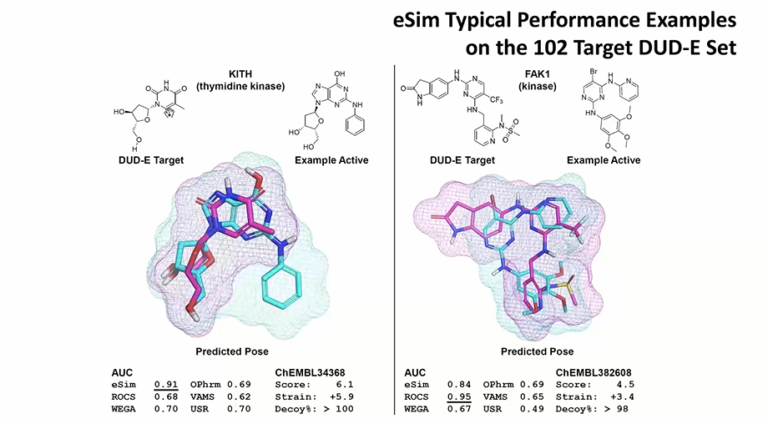
In this webinar, we present eSim3D, a novel ligand-based drug design approach based on electrostatic-field and surface-shape similarity coupled with unique conformational search capabilities, offering unprecedented accuracy and performance.
In this webinar, we demonstrated how to generate virtual libraries by applying tractable, robust chemical reactions to readily available building blocks in a highly flexible and user-friendly environment.
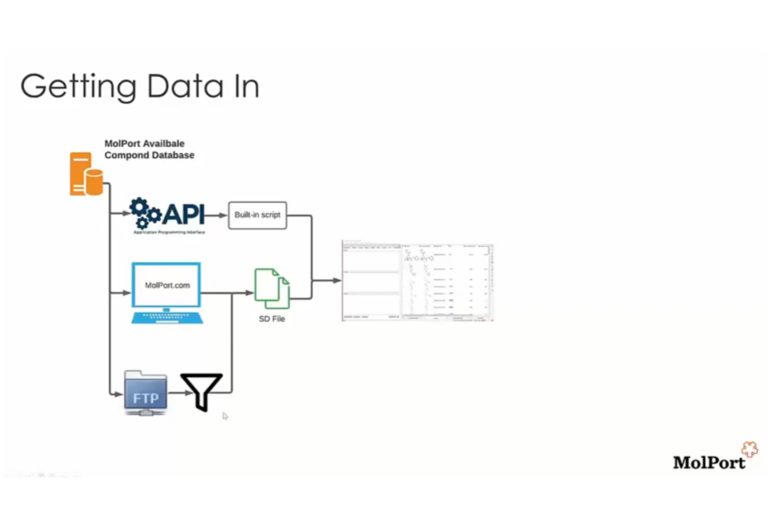
In this webinar, we present a flexible and intuitive framework in which similarity relationships can be interactively navigated to quickly interpret the results, identify important structure-activity relationships (SAR) and use that SAR in new compound design.
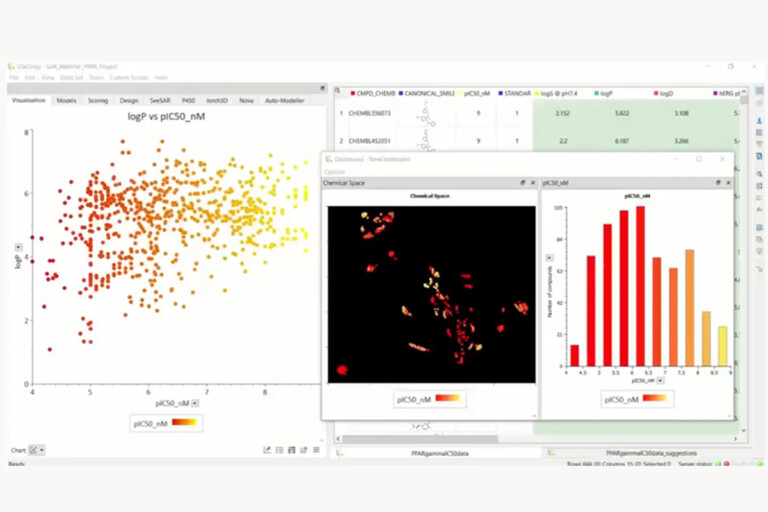
Learn how advances in informatics technology are inspiring a new generation of innovative products that streamline and enhance the efficiency and productivity of drug discovery software.
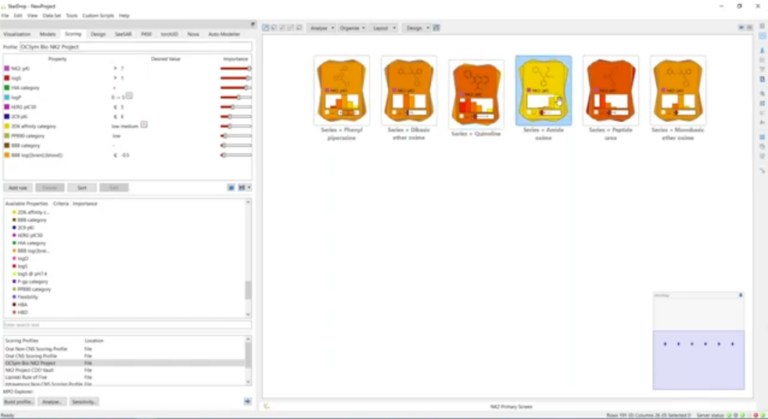
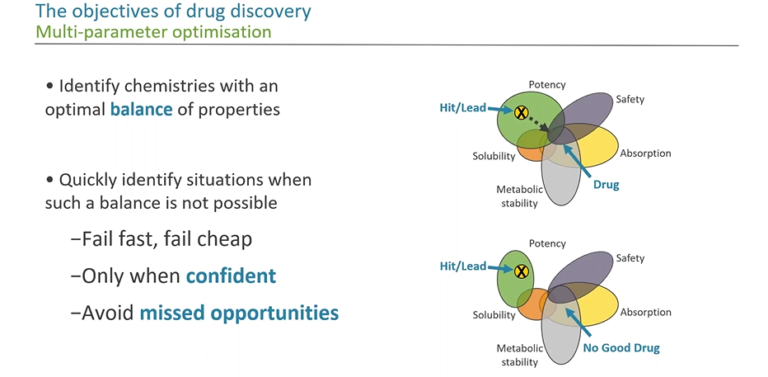
This webinar describes example applications of multi-parameter optimisation to find high-quality lead compounds.
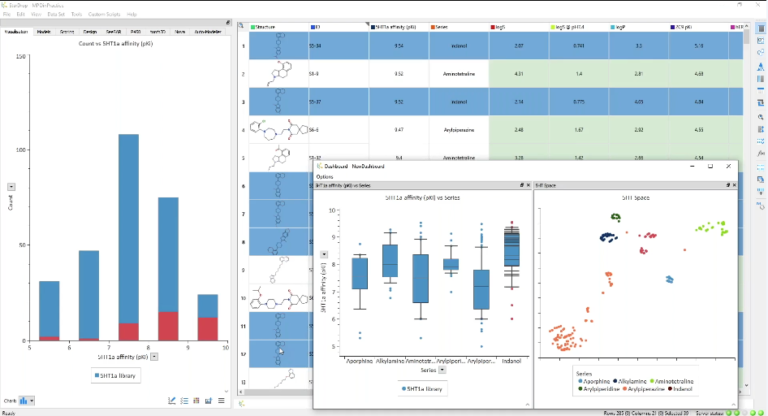
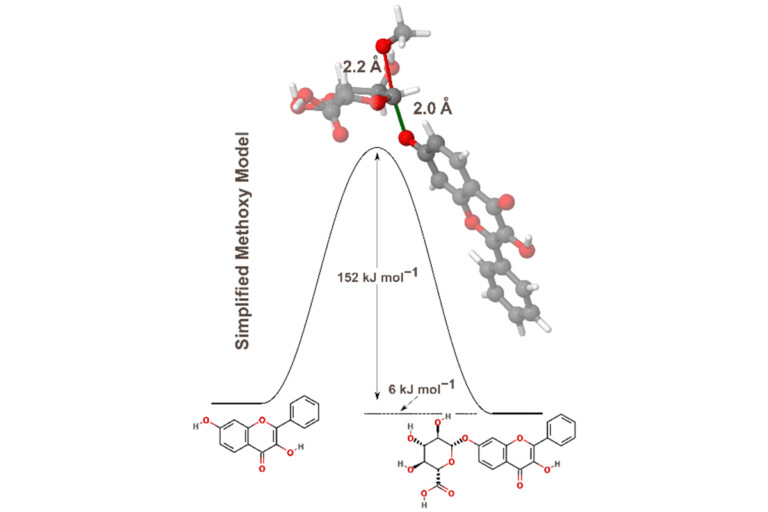
Methods for modelling two enzyme families, flavin-containing monoxygenases (FMOs) and uridine 5′-diphospho-glucuronosyltransferases (UGTs), to predict reactivity to drug metabolism.
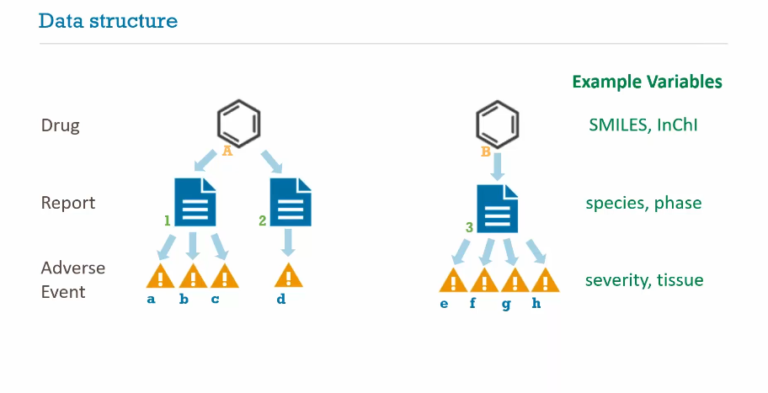
This webinar focused on the design of visualisation software for translational toxicology, with particular reference to the challenges that the many different sources of toxicology data pose.
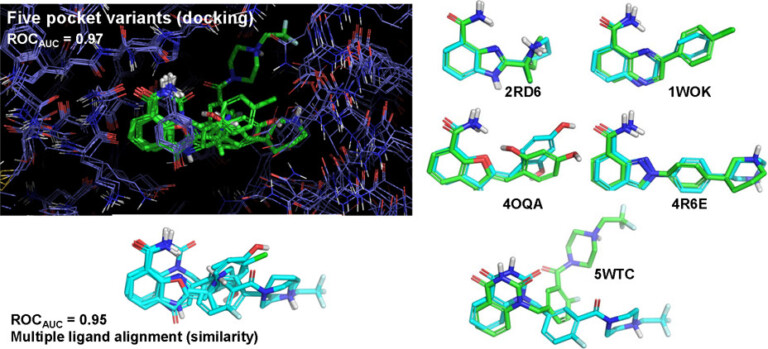
Using the DUD-E+ benchmark, we explore the impact of using a single protein pocket or ligand for virtual screening compared with using ensembles of alternative pockets, ligands, and sets thereof.
This study aimed to create a model for predicting pKa using a semi-empirical quantum mechanics (QM) approach combined with machine learning (ML).
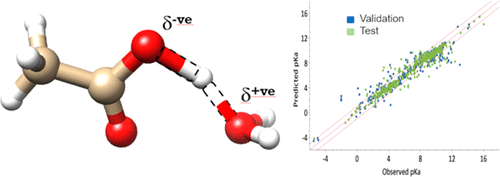
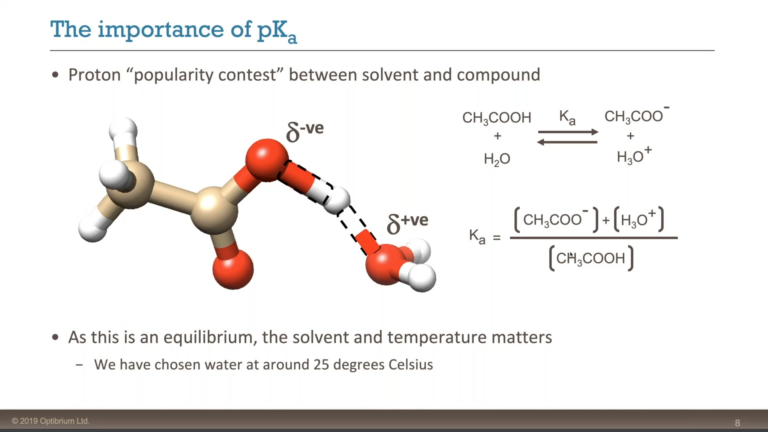
The dissociation of a proton from a heteroatom has a significant influence on the charge distribution and interactions of a…
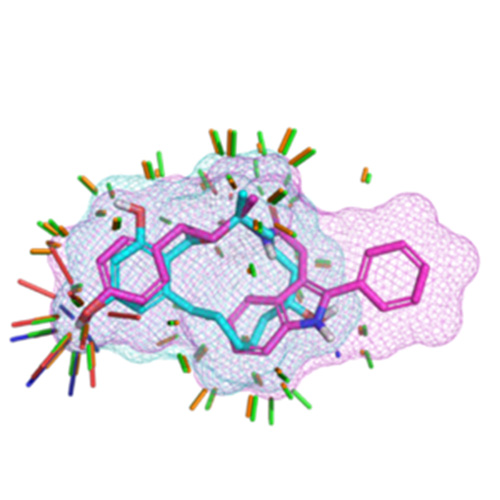
We introduce a new method for rapid computation of 3D molecular similarity that combines electrostatic field comparison with comparison of molecular surface-shape and directional hydrogen-bonding preferences (called “eSim”).
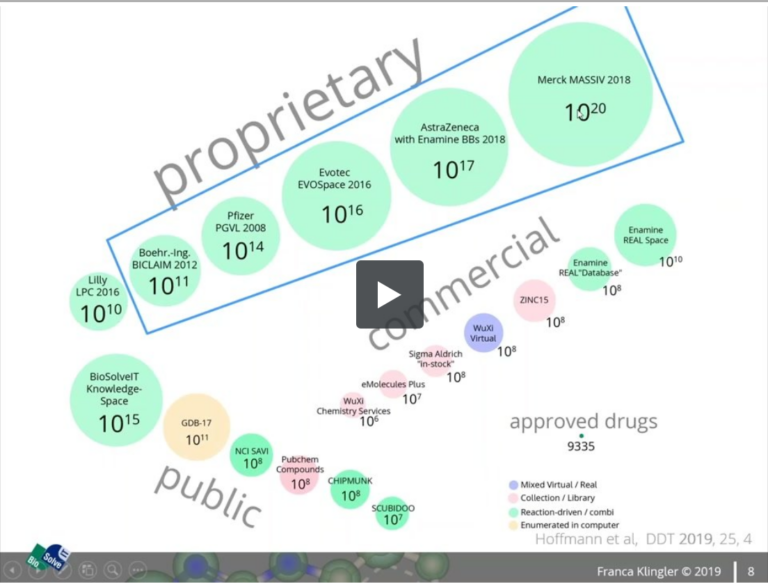
In this webinar, presented by our guest, Dr. Franca Klingler from BioSolveIT, we learn how novel search algorithms have been…
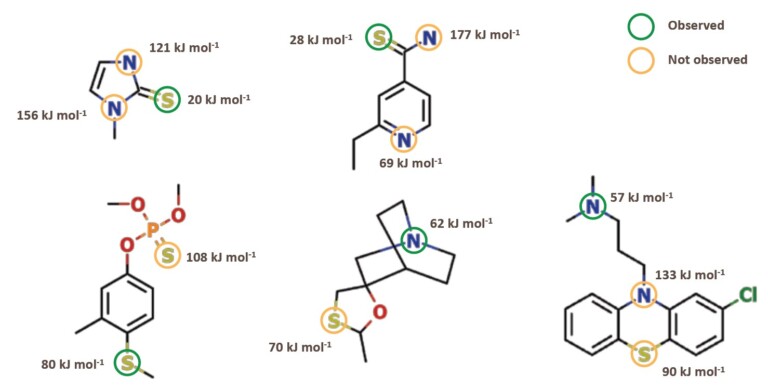
Introduction Existing computational models of drug metabolism are heavily focused on predicting oxidation by cytochrome P450 (CYP) enzymes, because of…
Introduction The increasing occurrence of multidrug-resistant bacteria is one of the major global threats to human health. Design of new…
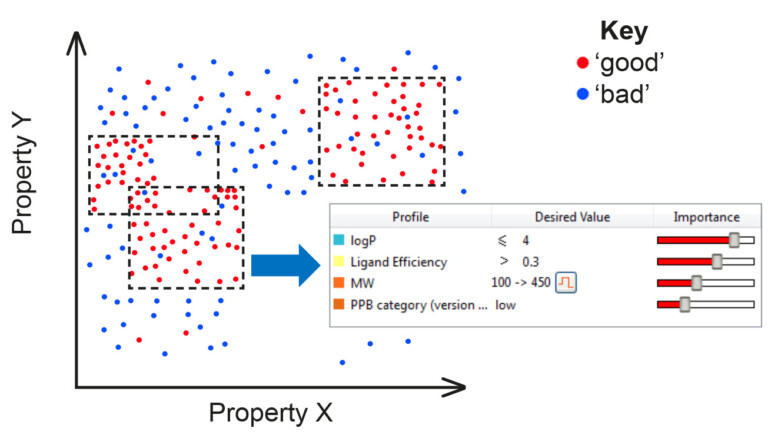
This paper describes the underlying methods and validation of the WhichP450 model, which predicts the most likely Cytochrome P450 isoforms…

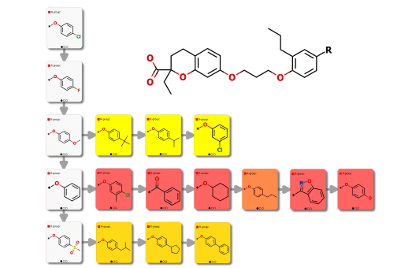
This paper, co-authored with our colleagues at NextMove Software, explores applications of Matched Series Analysis within StarDrop’s Nova module to…
This peer-reviewed article, published in the Journal of Medicinal Chemistry, describes how identifying sensitive criteria can highlight new avenues for exploration, and assist us in avoiding missed opportunities